Your Favorite Third Space
The idea of a third space comes from sociologist Ray Oldenburg, who used the term to describe places that aren’t home and aren’t work, but still play a huge role in our lives. Think coffee shops, libraries, community centers, pottery studios… places you can show up regularly, see familiar faces, and feel part of something without a formal agenda. These spaces matter because they give us room to connect casually, to be ourselves, and to exist in community without pressure or performance.
What’s changed isn’t that people no longer want these spaces, it’s that our lives have become more fragmented. We spend more time working, commuting, scrolling, and scheduling, and less time lingering. Social interaction has increasingly moved online, while in-person gathering often revolves around specific events or goals. Many of us are busy, connected, and still quietly isolated, missing places where connection happens naturally over time rather than all at once.
This is where Belmar Clay Project quietly fills an important role.
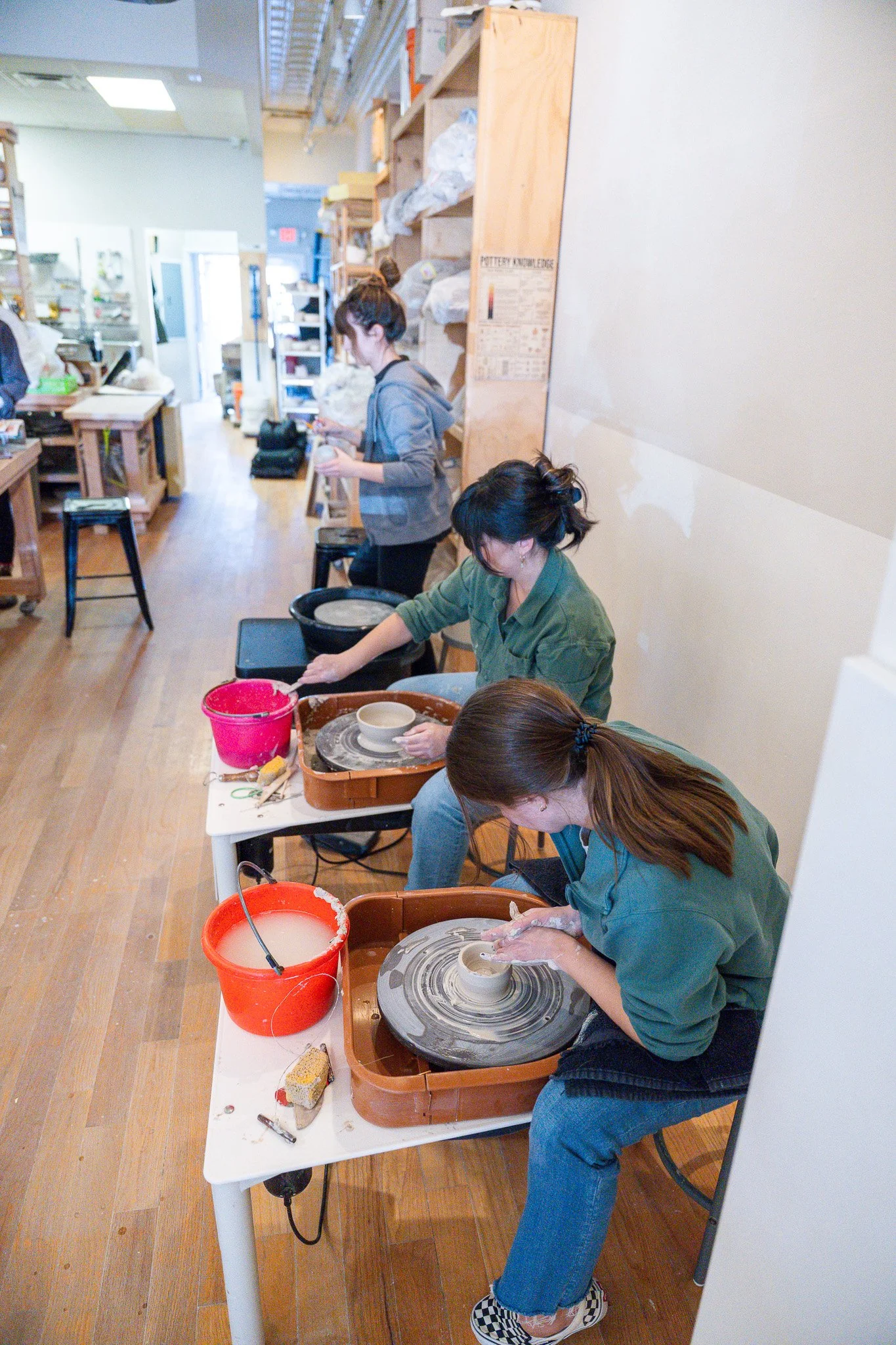
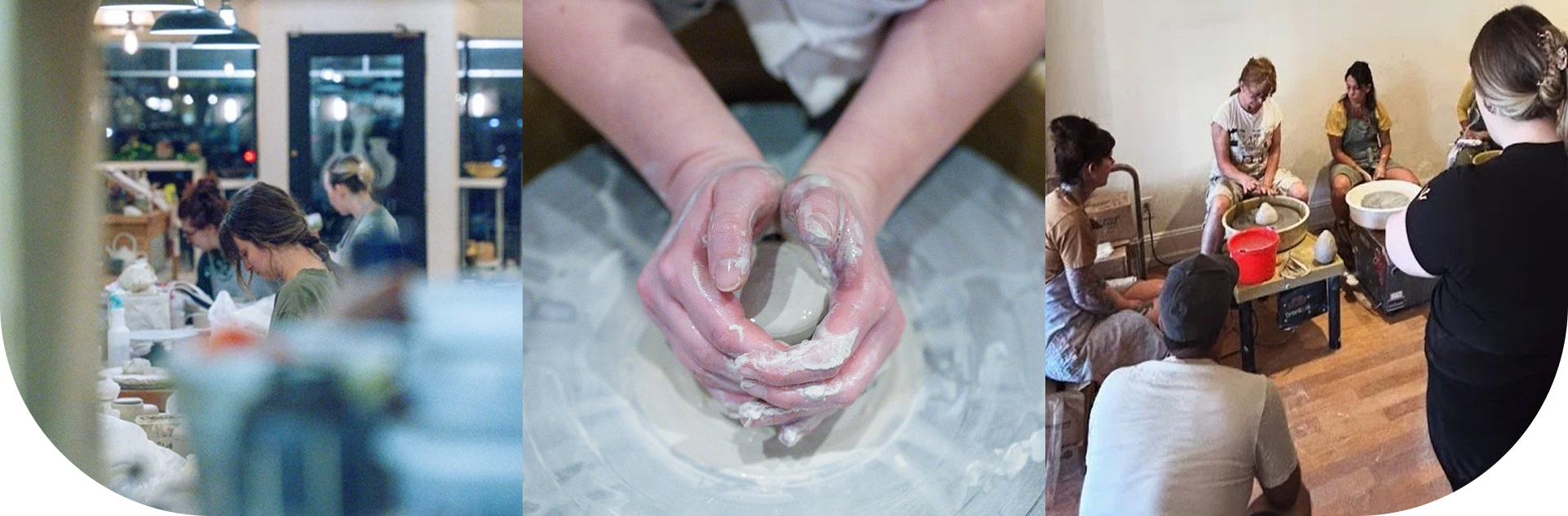
Our studio sits outside the usual categories. It’s not home, and it’s not work (even when meaningful work is happening). It’s a place people return to week after week, often at the same time, sharing space without needing to constantly engage. Conversation happens organically, and silence is welcome. Skill levels vary, but everyone is there for the same reason: to make, to learn, and to spend time doing something tactile and real.
Working with clay reinforces this rhythm. It slows you down, pulls attention into the body, and creates a natural balance between focus and openness. You might work quietly one week and talk the next. Over time, familiarity builds, not through forced interaction, but through shared presence. These are the conditions that allow community to form without being manufactured.
Our studio also offers something that feels increasingly rare: a place where the process matters more than the outcome. Not everything needs to be perfect or productive. Experimentation is encouraged, failure is expected, and learning happens in public. In that environment, people tend to relax—not just creatively, but socially. You don’t have to explain yourself here. You just show up.
In a world where many spaces ask us to perform, produce, or optimize, the studio remains a place to slow down and connect in a quieter way. It’s not just where objects are made—it’s where routine, presence, and shared time turn into something deeper: a sense of belonging that builds gradually, and lasts.
Why Clay?
It all begins with an idea.
Discovering the Magic of Ceramics at Belmar Clay Project
The allure of ceramics lies not just in the final product but in the journey of creation. From a simple mound of clay to a beautifully crafted piece of handmade pottery, the process is nothing short of magical. At the heart of Belmar, Belmar Clay Project invites you to embark on this enchanting journey and discover the wonders of ceramic art for yourself.
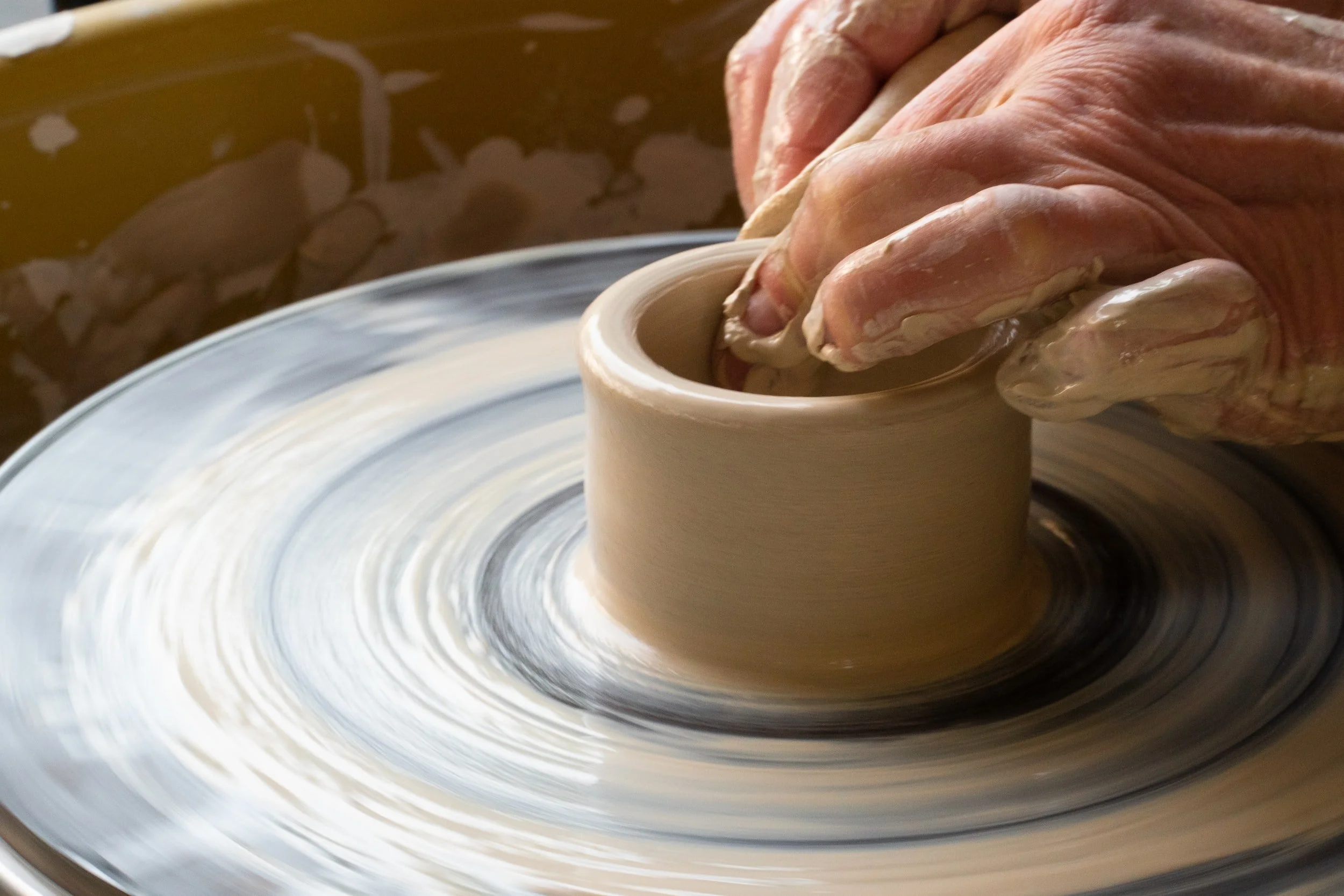
Ceramics is more than just an art form; it's a transformative experience. The tactile sensation of clay sculpting beneath your fingers, the rhythmic hum of the pottery wheel, and the anticipation of seeing your creation after its final firing – every step is filled with wonder and excitement.
At Belmar Clay Project, we believe in nurturing this sense of wonder. Our clay studio is a space where creativity flows freely, where every individual, be it a novice or a seasoned potter, can connect with the essence of ceramics through our workshops and pottery classes.
Our range of pottery classes and workshops are designed to cater to all skill levels. Under the guidance of our expert instructors, you can delve deep into the world of ceramics, exploring various glazing techniques, styles, and forms. Whether you're looking for beginner's pottery classes or wish to master advanced ceramic techniques, we have something for everyone.
Building a community
It all begins with an idea.
Dive Deeper with Belmar Clay Community
Beyond the hands-on experience, Belmar Clay Project is building a ceramic community in Belmar. By joining our eNews, you can stay updated with the latest upcoming pottery workshops, classes, and ceramic offerings. Engage with fellow artists, share your masterpieces, and draw inspiration from the collective creativity of our community.
The magic of ceramics and clay art classes is waiting to be discovered, and there's no better place to start than Belmar Clay Project. Whether you're a curious beginner or a passionate potter, we welcome you to join us and experience the enchantment firsthand.
Sustainability in clay
It all begins with an idea.
In an era where sustainability is more than just a buzzword, it's heartening to see age-old practices like ceramics leading the charge. Ceramics, with its earthy origins and eco-friendly properties, stands out as a beacon of sustainability in a world striving for greener choices.
At its core, ceramics is a product of the earth. Derived from natural materials like clay, kaolin, and feldspar, the production of ceramics leaves a minimal carbon footprint. Unlike plastics and other synthetics, ceramics doesn't rely on depleting fossil fuels or harmful chemicals.
One of the standout features of ceramics is its durability. Whether it's a ceramic vase, tile, or dinnerware, these items are built to stand the test of time. This longevity means fewer replacements and reduced consumption, leading to less waste in the long run.
Modern ceramic workshops and industries are increasingly adopting energy-efficient methods. From using sustainable energy sources to recycling heat generated in kilns, the ceramic industry is making strides in reducing its energy consumption. This not only cuts down on emissions but also paves the way for a more sustainable production process.
Ceramics, being non-porous and free from harmful chemicals, offers a healthier alternative for daily use items. Ceramic dinnerware, for instance, doesn't leach chemicals into food, making it a safer choice for families.
As we navigate the challenges of the 21st century, sustainable choices become paramount. Ceramics, with its eco-friendly properties and commitment to a greener future, stands out as a shining example. Whether you're enrolling in pottery classes at BCP or purchasing ceramic tiles for your home, remember: with ceramics, you're making a choice that's kind to the planet.
Versatility of Clay
It all begins with an idea.
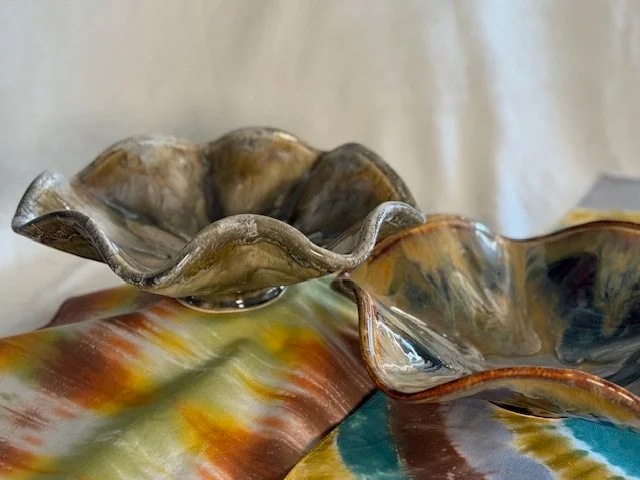
Ceramics, often pigeonholed as the craft of delicate teacups or ornate vases, has a versatility that's been celebrated and evolved over centuries. From the ancient pottery of Mesopotamia to the modern ceramic innovations, this art form has continually showcased its adaptability and relevance.
Ceramics isn't confined to pottery classes or clay sculpting. Its applications span far and wide. Consider the ceramic insulators in cutting-edge electronics or the ceramic components in high-performance vehicles. This material's resilience to heat and its electrical insulating properties make it indispensable in a myriad of industries.
When we think of handmade pottery or ceramic art, our minds often drift to decorative pieces. But ceramics' role in home decor extends beyond mere aesthetics. Ponder the ceramic tiles that grace many homes, be it in bathrooms or kitchens. They're chosen not just for their beauty; they're durable, water-resistant, and effortlessly maintainable.
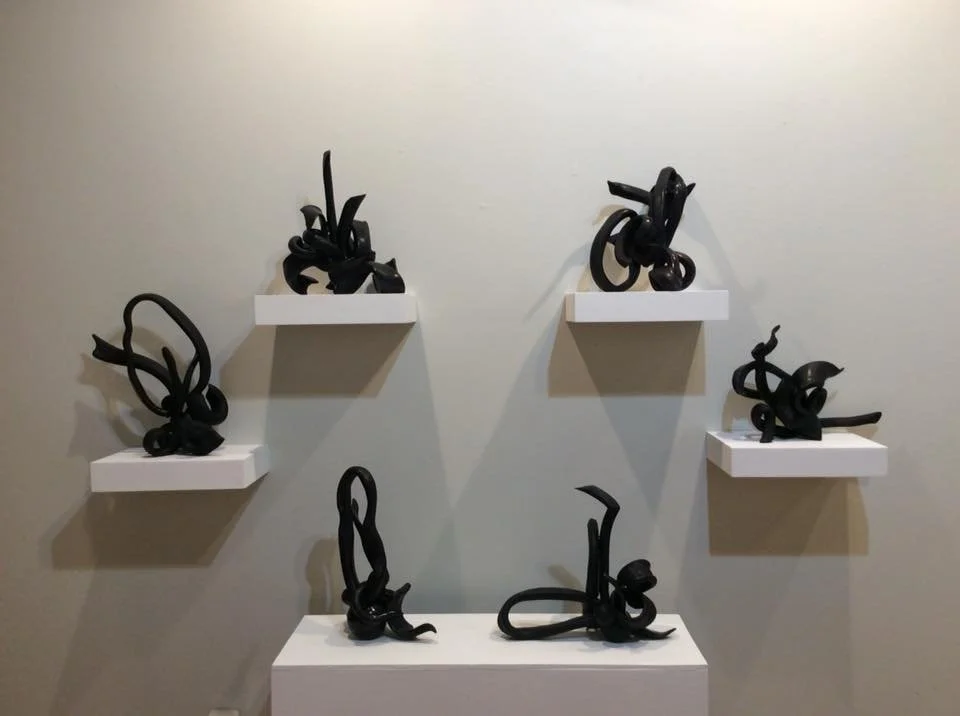
The world of ceramics is in a state of constant expansion. Artists are pushing the envelope, crafting not just traditional bowls and mugs but intricate sculptures, wall installations, and even avant-garde jewelry. The medium's adaptability allows for boundless creativity, making it a perennial favorite among modern artists.
The true charm of ceramics lies in its vast versatility. Whether you're a curious beginner eager to explore the world of clay art classes or an industry professional seeking innovative solutions, ceramics offers a world of possibilities. Its adaptability, durability, and timeless appeal ensure it remains a pivotal material, shaping our world one clay piece at a time.