
Experience the Power of Wood Firing
July 18-20th Belmar Clay Project Offsite Wood Firing
Belmar Clay Project is thrilled to offer a guided wood firing experience in collaboration with instructor Jon Hem, taking place in Lancaster, summer 2026.
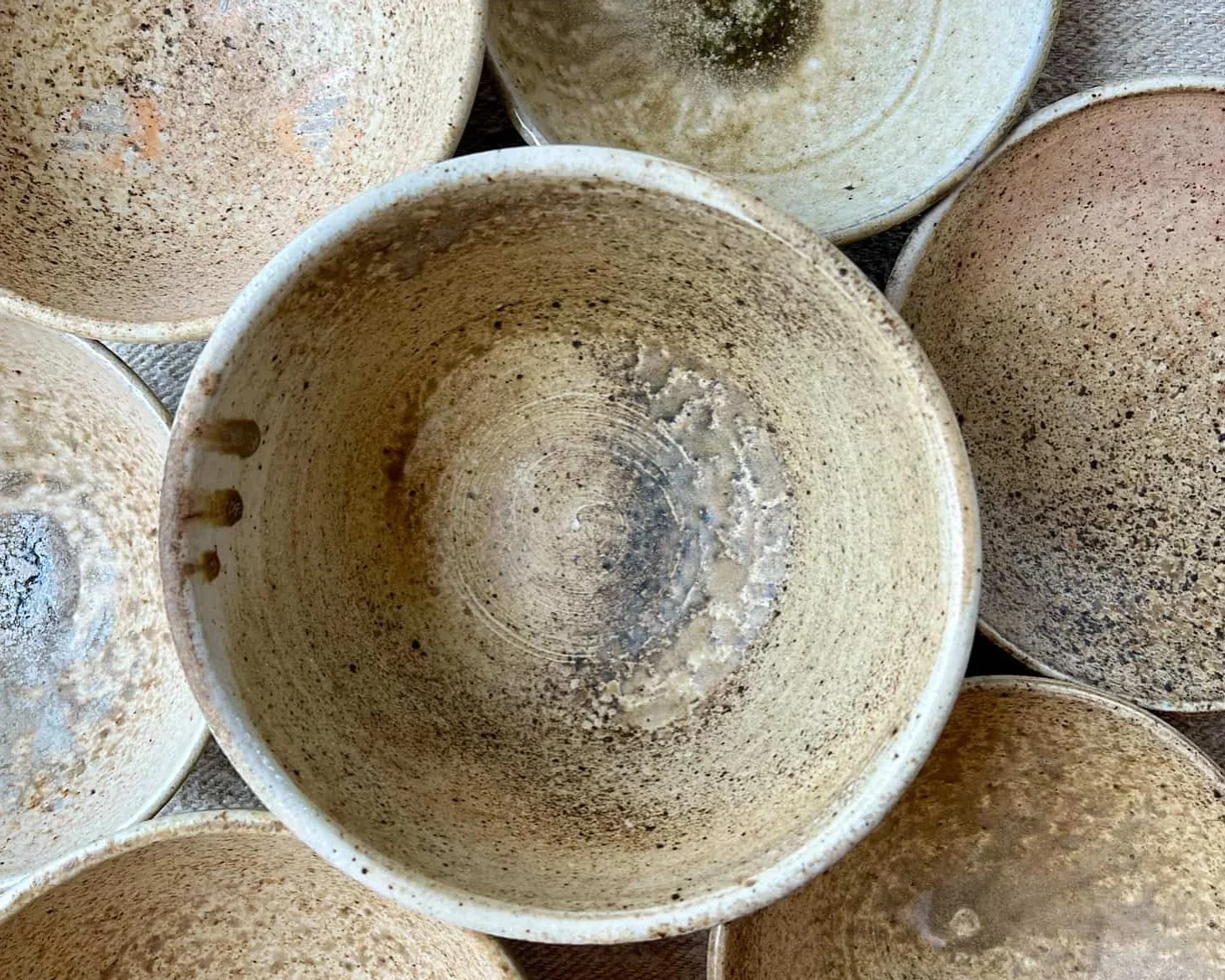
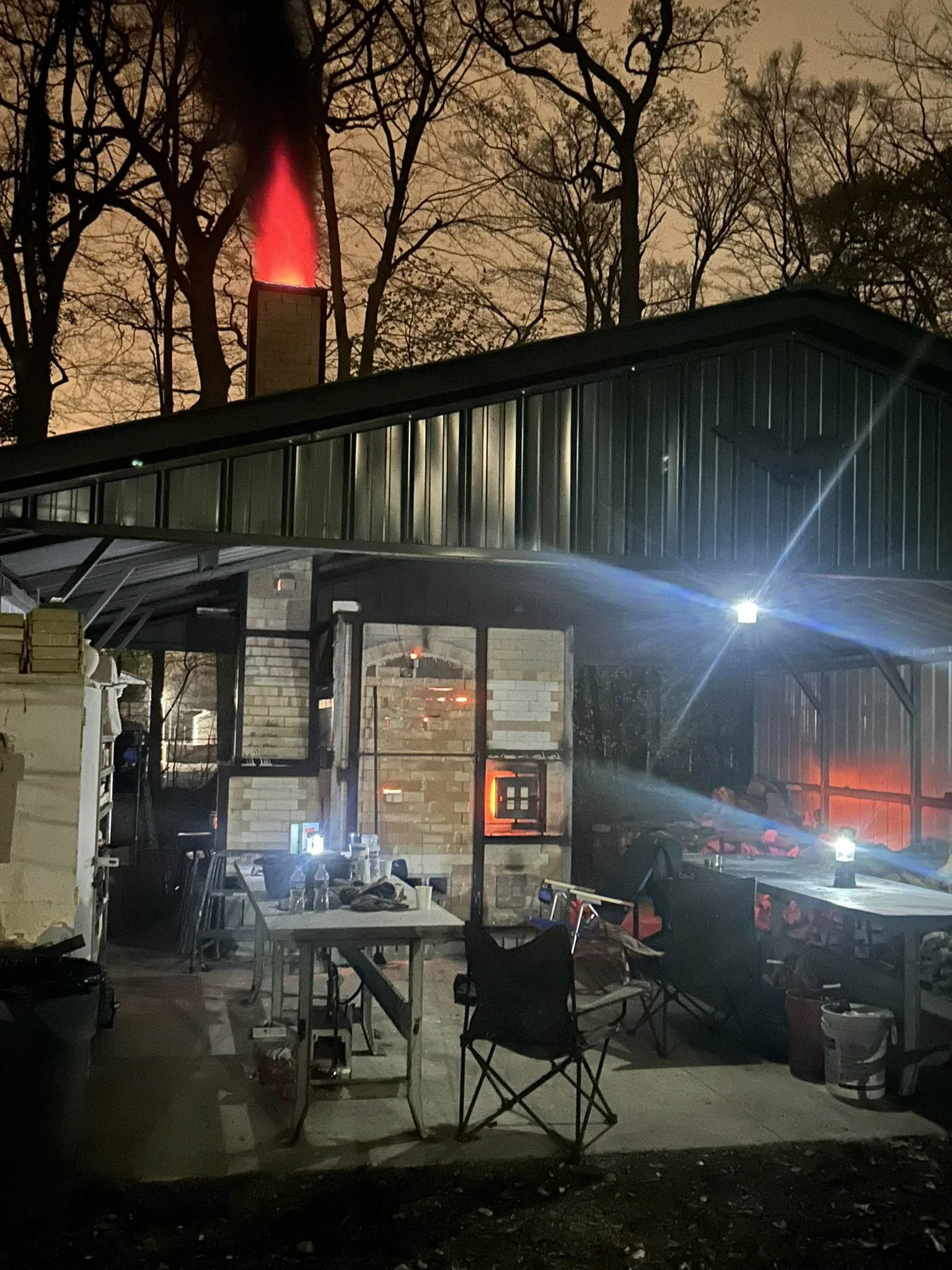
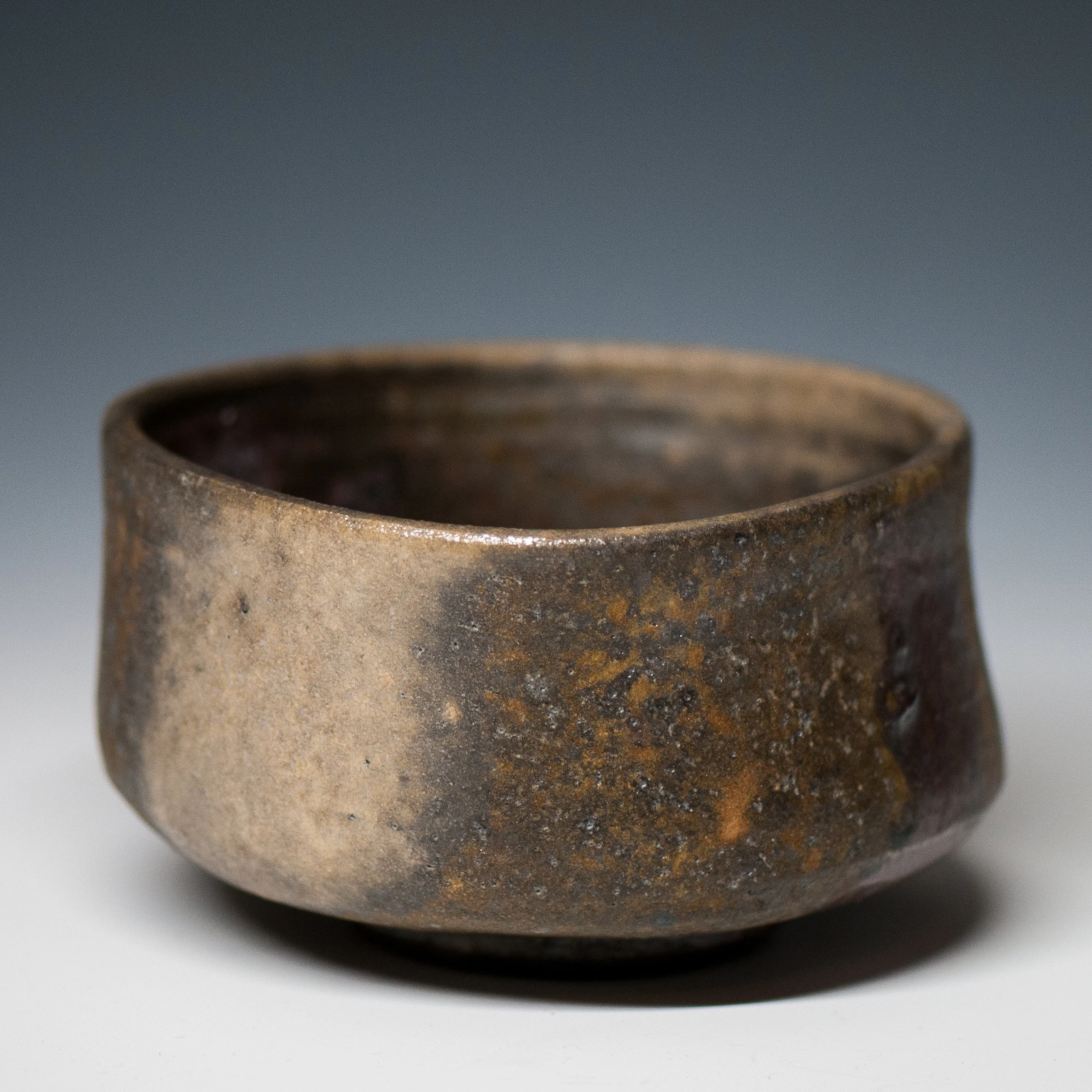
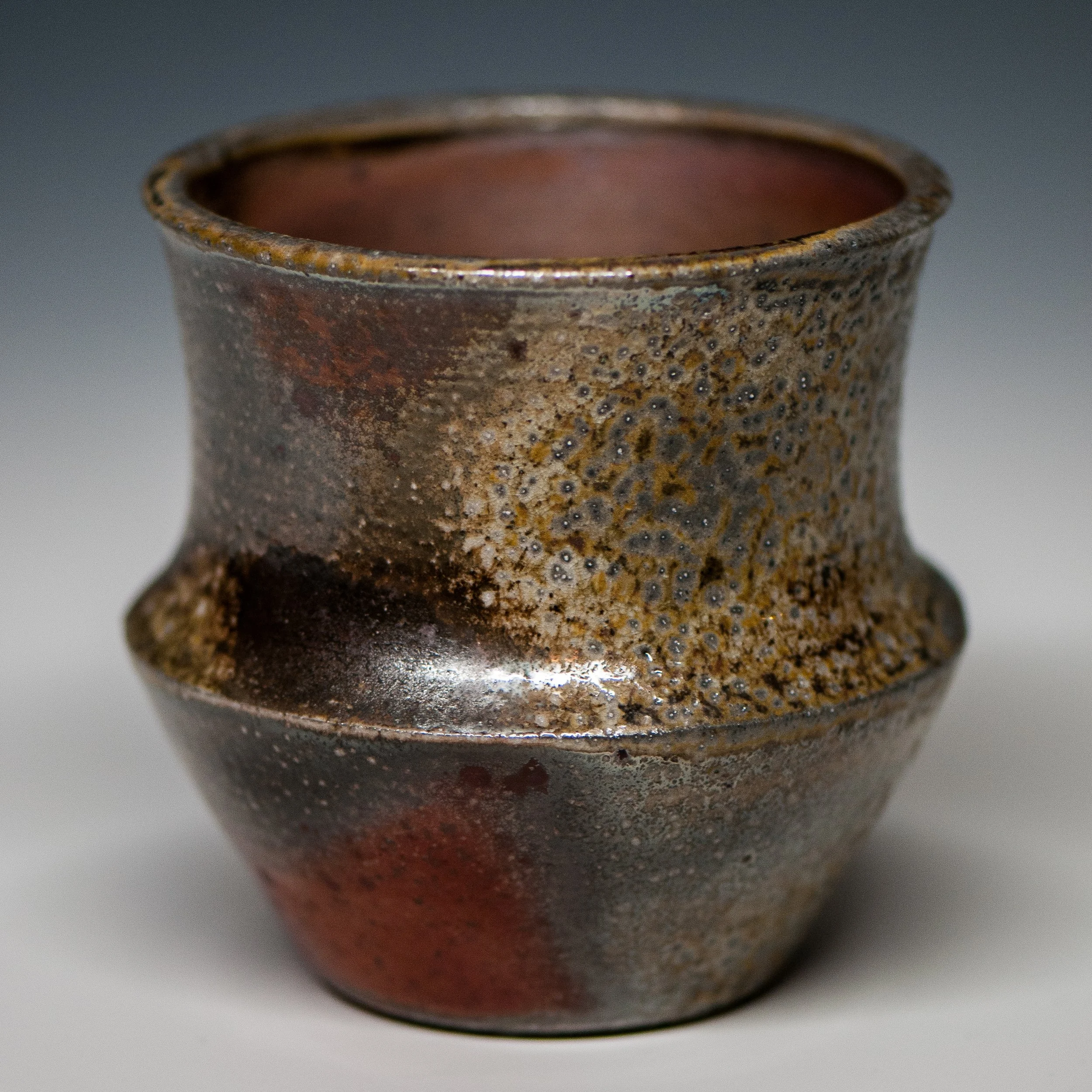
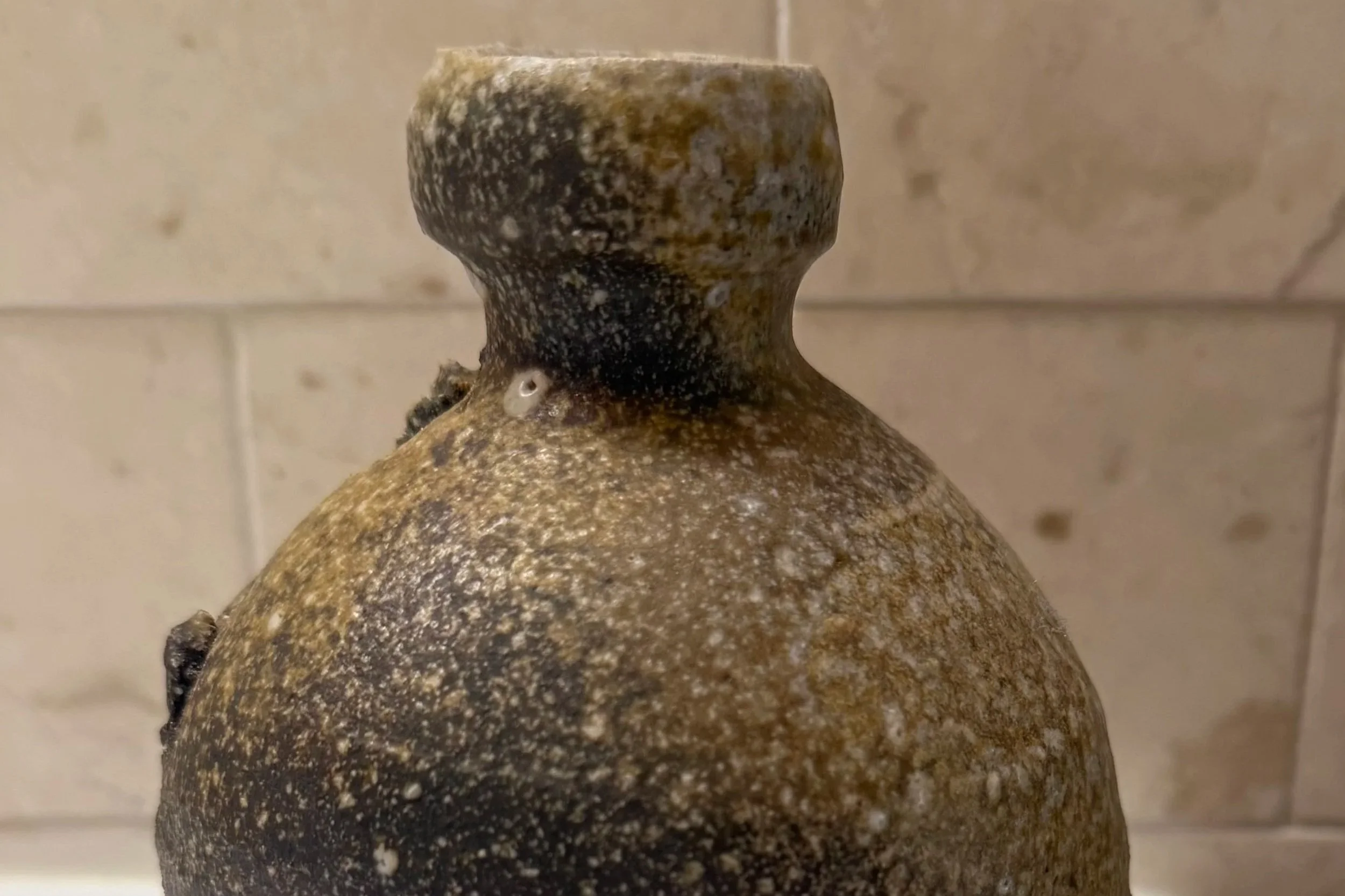
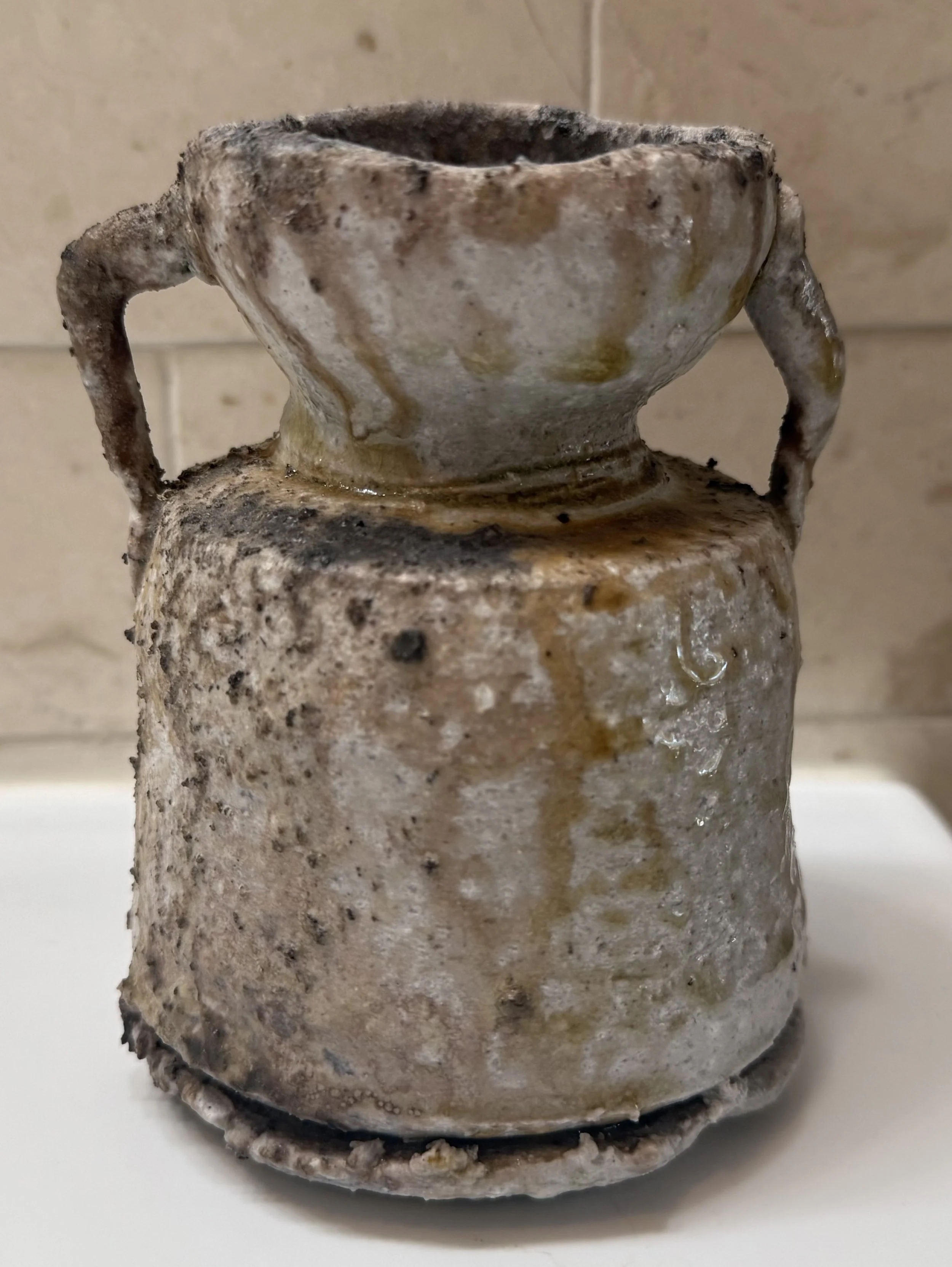
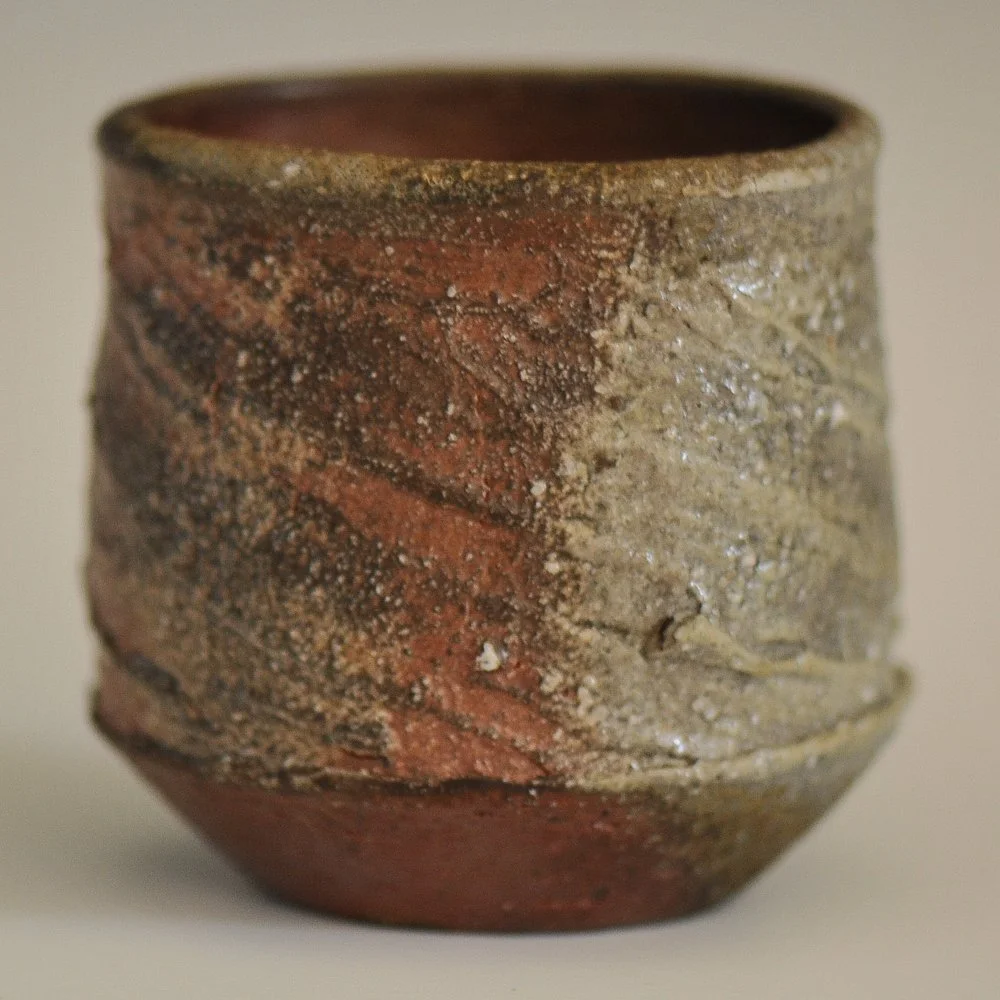
Wood firing is one of the oldest ceramic traditions, where flame, ash, and time work together to create surfaces that cannot be replicated in electric or gas kilns. As the kiln is fired continuously over several days, ash melts into the clay body, producing natural glaze effects, flashing, and rich atmospheric variation unique to each piece. This firing is designed as a fully supported, educational experience, welcoming both first-time wood firers and returning participants.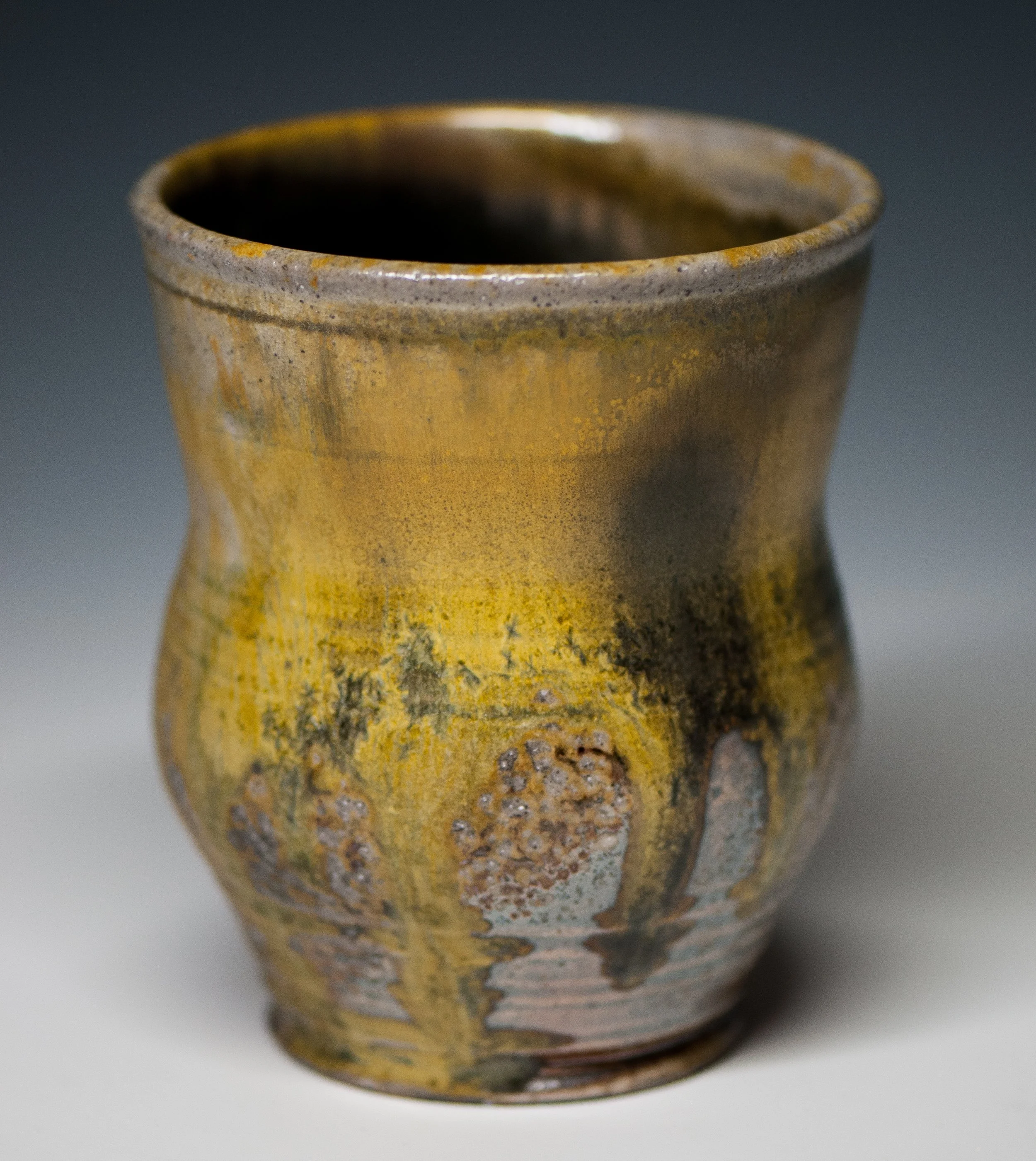
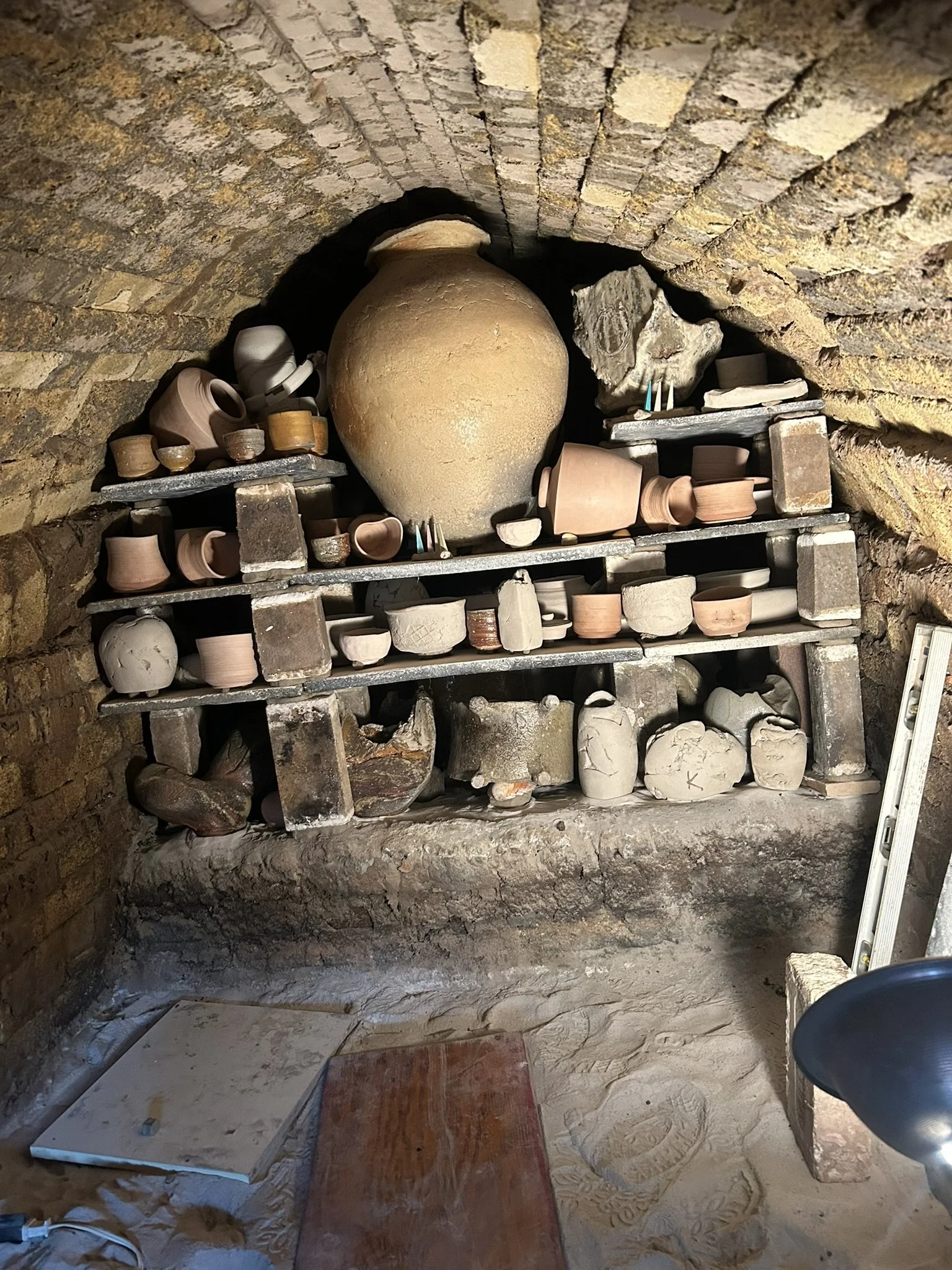
Students will receive instruction and guidance throughout the entire process, from preparation and glazing to kiln loading, firing, and unloading. In addition to hands-on participation during the firing, Jon Hem will offer structured educational support leading up to the event, helping students make informed decisions about form, clay, and surface to best take advantage of the wood kiln. This immersive experience emphasizes both technical learning and the communal rhythm of a shared firing, offering participants the opportunity to deepen their understanding of atmospheric ceramics while creating work shaped by fire, ash, and collaboration.To purchase space in the wood firing please consult your instructor. If you are not currently enrolled in a course at Belmar Clay Project please fill out the form linked below and we will contact you upon receiving your application. Get Involved
We blend guided moments, open exploration, and self discovery—so the experience feels both focused and fluid.
❋ Intentional StructureConnection is a core part of the process. You’ll learn just as much from the group as from the content itself.
❋ Collaborative EnergyLed by experienced instructors who encourage participation, and keep things moving with purpose.
❋ Expert FacilitationOur events prioritize the creative process, safety, and appreciation for the craft—so you can show up as you are and fully engage in the process.
❋ A Supportive Space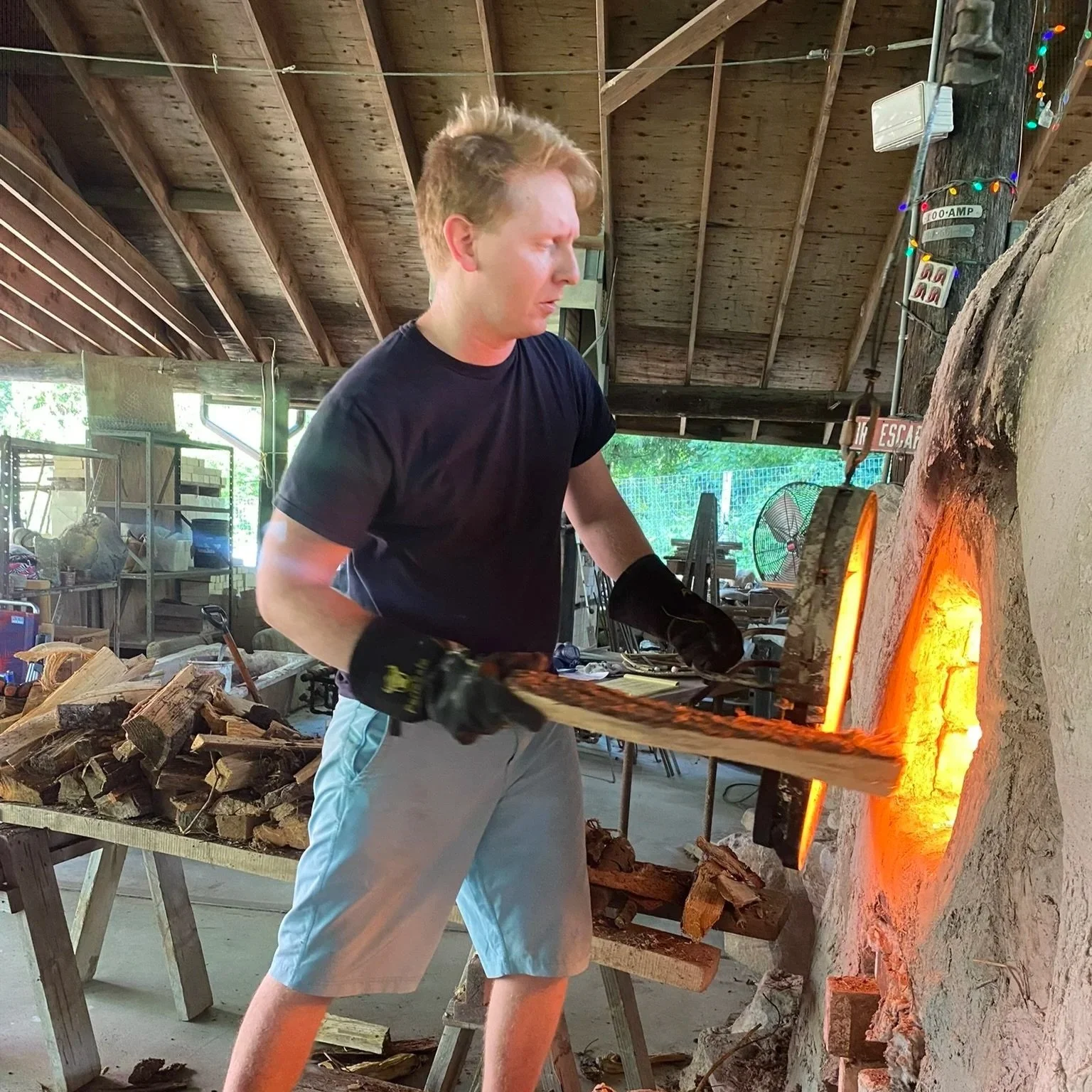
Submit an Application
FAQs
What is wood firing?
1
Wood firing is an atmospheric kiln process where wood is used as the primary fuel source over an extended firing period. As the kiln is stoked, flame and ash move through the chamber, interacting directly with the clay and glaze surfaces. Ash melts into the work, creating natural glaze effects, flashing, texture, and variation that cannot be replicated in electric or gas kilns. Each piece reflects its placement in the kiln and the path of the flame, making every result truly one-of-a-kind.
Do I need prior wood firing experience to participate?
2
No prior wood firing experience is required. This firing is structured to support both first-time participants and experienced wood firers. Educational guidance is provided throughout the process to help students prepare appropriate work and understand what to expect. ALL STUDENTS MUST BE ENROLLED IN A CLASS AT BELMAR CLAY PROJECT OR HAVE COMPLETED WORK THAT MEETS THE FIRING REQUIREMENTS. PLEASE INIQUIRE FOR INFORMATION ON REQUIREMENTS.
Forms with thoughtful surfaces—such as bowls, plates, jars, bottles, and sculptural forms—tend to respond well to wood firing. Subtle texture, carving, and flashing slips can enhance results. Very thin, delicate, or heavily glazed pieces may be more vulnerable in a wood kiln environment. Work must be made from required clay bodies.
What types of work are best for wood firing?
3
Work may be submitted as raw bisque or glazed bisque. Glazes should be chosen with wood firing in mind and applied carefully, especially near the foot. All work must be clean, dry, and free of excess glaze or debris.
Can I glaze my work, or does it need to be raw?
4
Because kiln space is purchased by the square foot, the amount of work varies by student. It’s often better to bring a small group of well-considered pieces rather than trying to maximize quantity. Students are encouraged to plan intentionally and measure their work carefully before purchasing kiln space.
5
How much work should I plan to make?
Wood firings typically span several days and nights, with continuous stoking to bring the kiln to temperature. Timing can vary depending on weather, kiln behavior, and firing goals. Students will receive advance notice of key participation windows such as loading, firing shifts, and unloading.
6
How long does the firing take?
Am I required to participate in the firing?
7
Yes—wood firing is a communal process, and students are expected to be involved in kiln loading and unloading. If you are unable to attend during those times, you must communicate in advance with Jon Hem to discuss alternative arrangements.
Wear closed-toe shoes and clothing made from natural fibers such as cotton, wool, or denim. Long sleeves and long pants are recommended. Expect exposure to ash, soot, heat, and changing weather conditions. Synthetic fabrics are not permitted near the kiln.
What should I wear during the firing?
8
Am I required to participate in the firing?
9
Yes—wood firing is a communal process, and students are expected to be involved in kiln loading and unloading. If you are unable to attend during those times, you must communicate in advance with Jon Hem to discuss alternative arrangements.
Wood firing carries inherent risk. Cracking, warping, glaze movement, and surface variation are all possible outcomes. While every effort is made to fire thoughtfully and safely, participation acknowledges the unpredictable nature of atmospheric firings.
10
Will all my work survive the firing?
Work will be available for pickup after the kiln has fully cooled and been unloaded. Specific pickup timing will be communicated following the firing.
11
When will I get my work back?
Wood firing offers an opportunity to slow down, work intentionally, and engage with ceramics at a deeper level. Beyond the surfaces it creates, the process fosters collaboration, shared labor, and a strong connection between maker, material, and fire. For many ceramic artists, it is both a technical and transformative experience.